
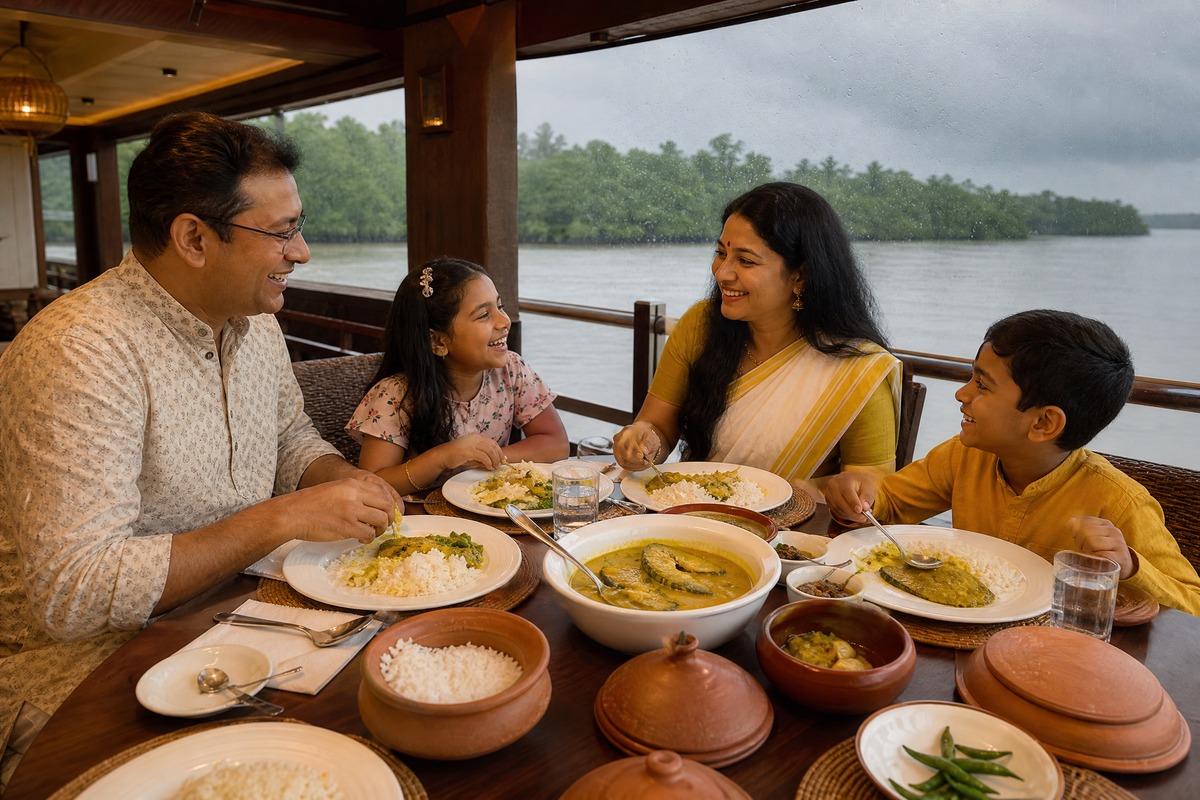
Every monsoon, the Sundarbans quietly turns into a different world, one few travellers ever witness first-hand. The rivers widen, mangroves deepen in colour, and the air carries the scent of rain over salt water. A carefully planned Trip to Sundarban during these weeks’ rewards visitors with rare wildlife activity and festive local culture. Booking through a Premium Sundarban Tour Package keeps the practical side simple, covering permits, transfers, and stays, while you focus on the experience itself.
What Should You Expect from the Weather?
Days swing between bright, humid mornings and sudden downpours that clear as fast as they arrive. Cooler evenings follow, often with a gentle breeze off the river. Skies stay dramatic throughout, with layered clouds making sunrise and sunset views particularly striking for anyone with a camera in hand, especially near the wider river bends.
What Wildlife and Landscapes Come Alive Now?
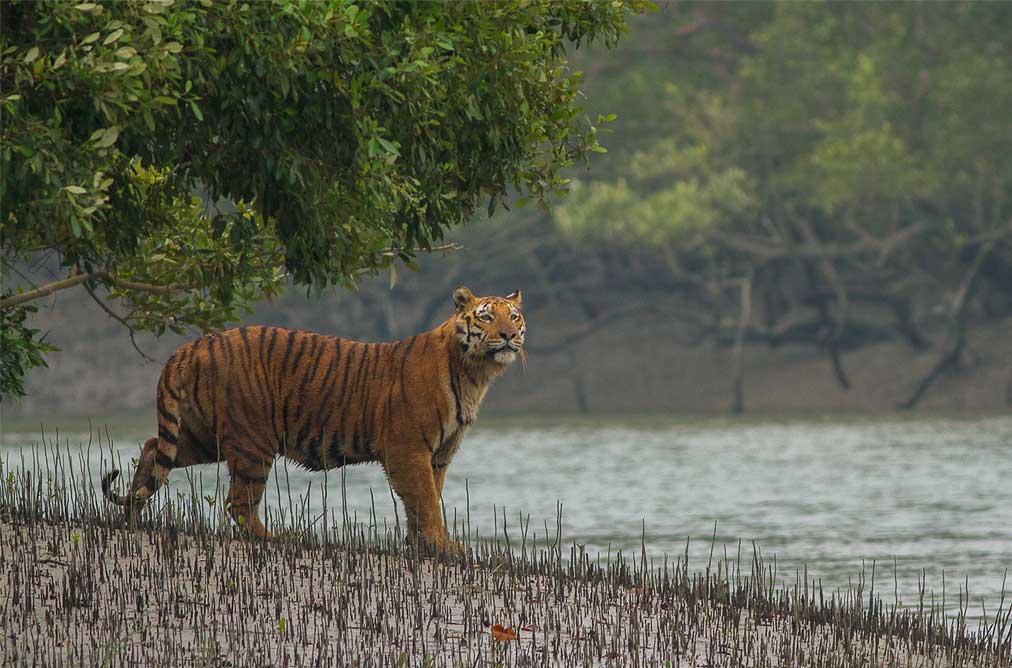
Full rivers and dense green cover bring out more birdlife than usual, alongside crocodiles basking near muddy banks and occasional tiger pug marks near watchtowers. The mangrove roots sit deeper in water, creating striking reflections that photographers particularly appreciate during this stretch of the year.
What Kind of Amenities Can Travelers Rely On?
Riverside accommodations continue running smoothly, with covered common areas, dry rooms, and warm meals ready regardless of rainfall. Boats carry rain covers and trained crew familiar with shifting tides, and staff keep a close eye on forecasts so excursions are timed around safer weather windows.
How Do Visitors Usually Reach the Delta?
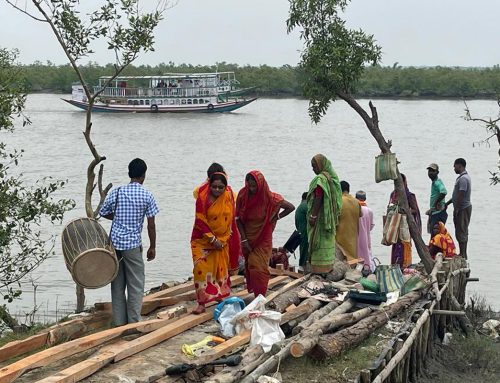
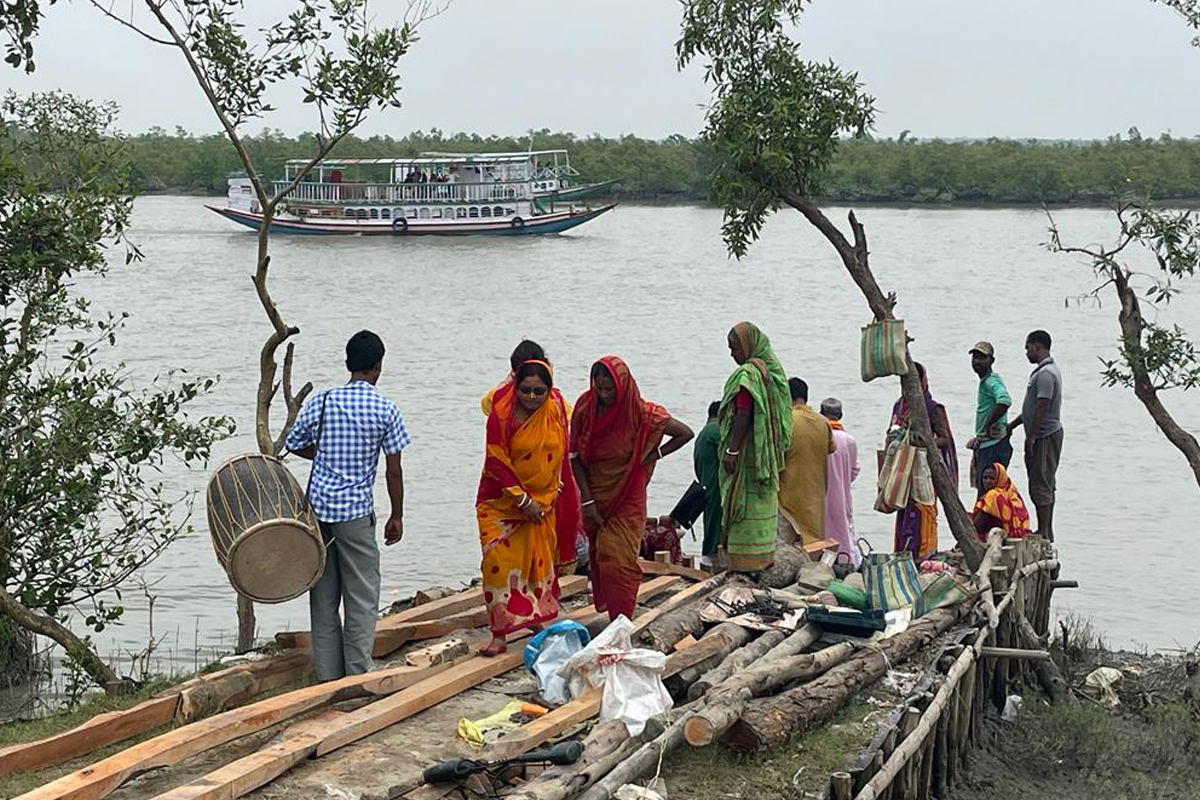
The journey generally starts from Kolkata, with an overland transfer of a few hours to the boarding jetty, followed by a scenic river crossing into the heart of the Sundarbans. Most stays arrange this end-to-end, handling permits and local transport so travellers avoid the usual planning headaches.
What Does the Food Experience Look Like?
Meals lean heavily on fresh river catch, prawns, and seasonal greens, prepared in traditional Bengali style with mustard, coconut, and spices. Rice remains the staple, paired with home-style curries, and jaggery desserts round off a meal that feels rooted in the region rather than generic hotel fare.
Can You Still Camp During the Rainy Season?
Camping still continues, though it moves to raised, covered platforms designed to handle heavy rain. Campfires, folk music evenings, and shared storytelling sessions replace stargazing, giving the experience a warm, communal feel that many visitors find more memorable than clear-sky nights elsewhere.
Why Does Hilsa Utsab Matter So Much Here?
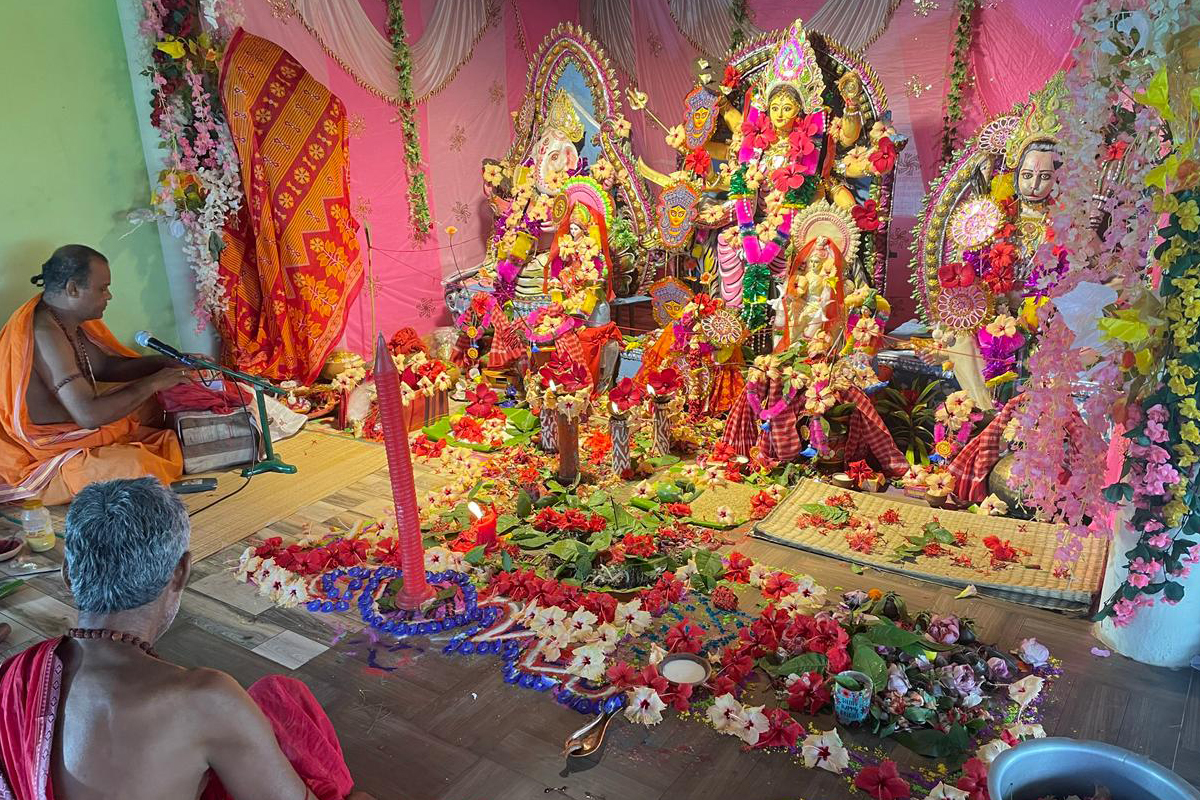
Monsoon is peak season for Hilsa fish, and the Hilsa Utsab marks it with community cooking contests, live music, and open-air dinners along the water. Locals insist this is when the fish tastes best all year, turning the celebration into a real culinary occasion rather than a tourist add-on.
What Role Do Local Communities Play in the Visit?
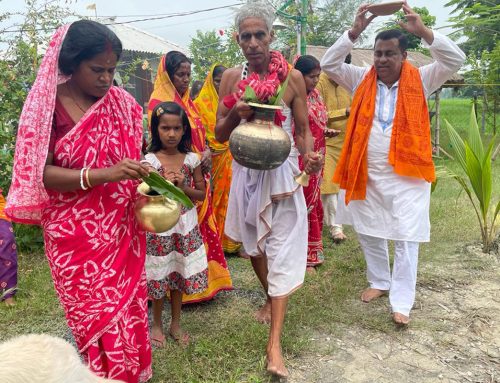
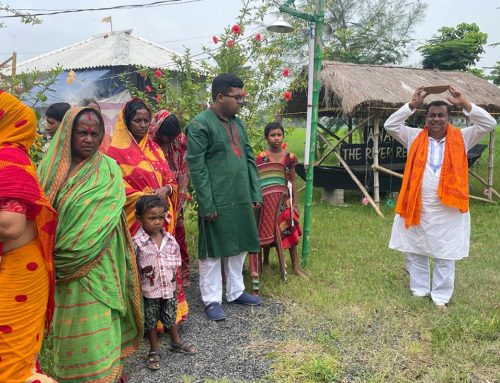
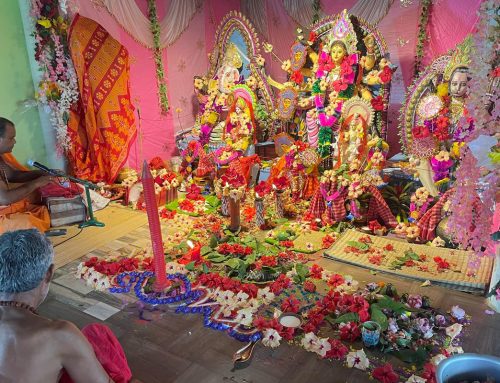
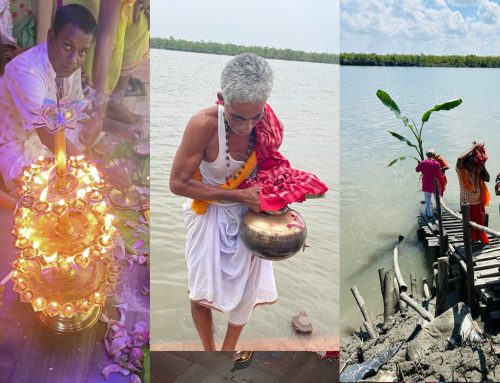
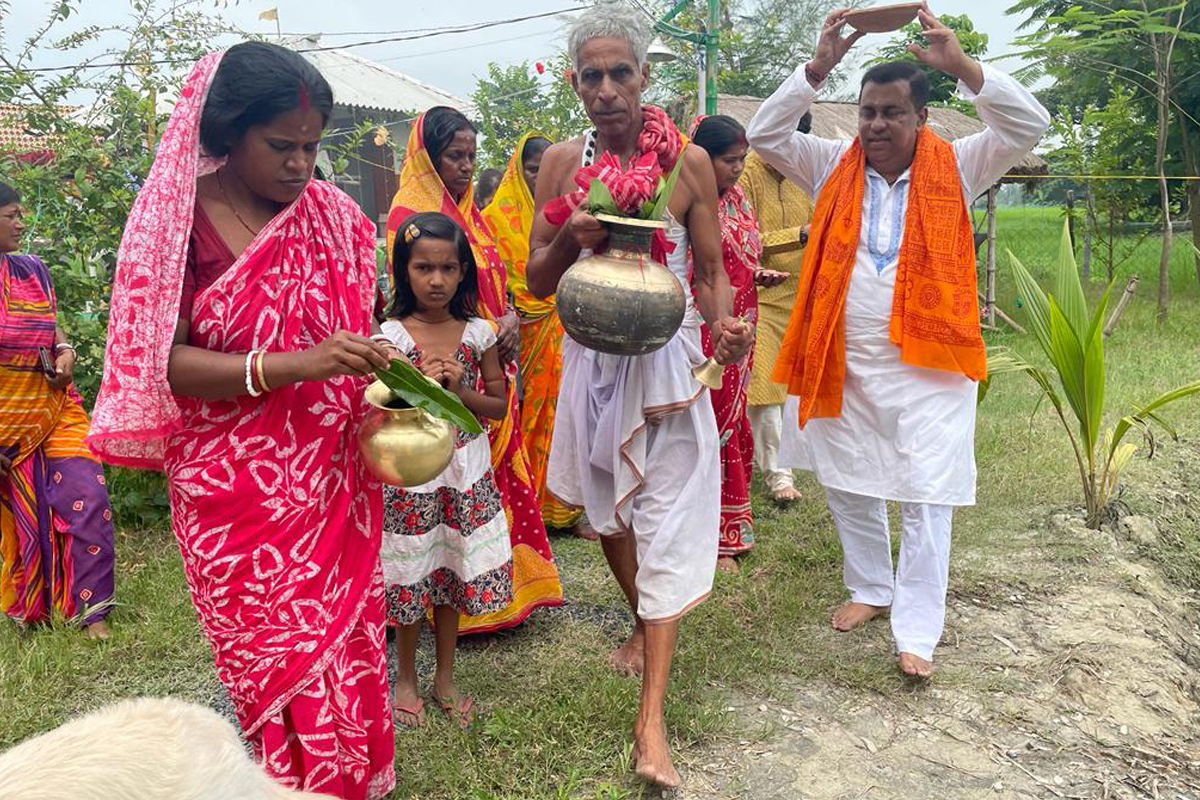
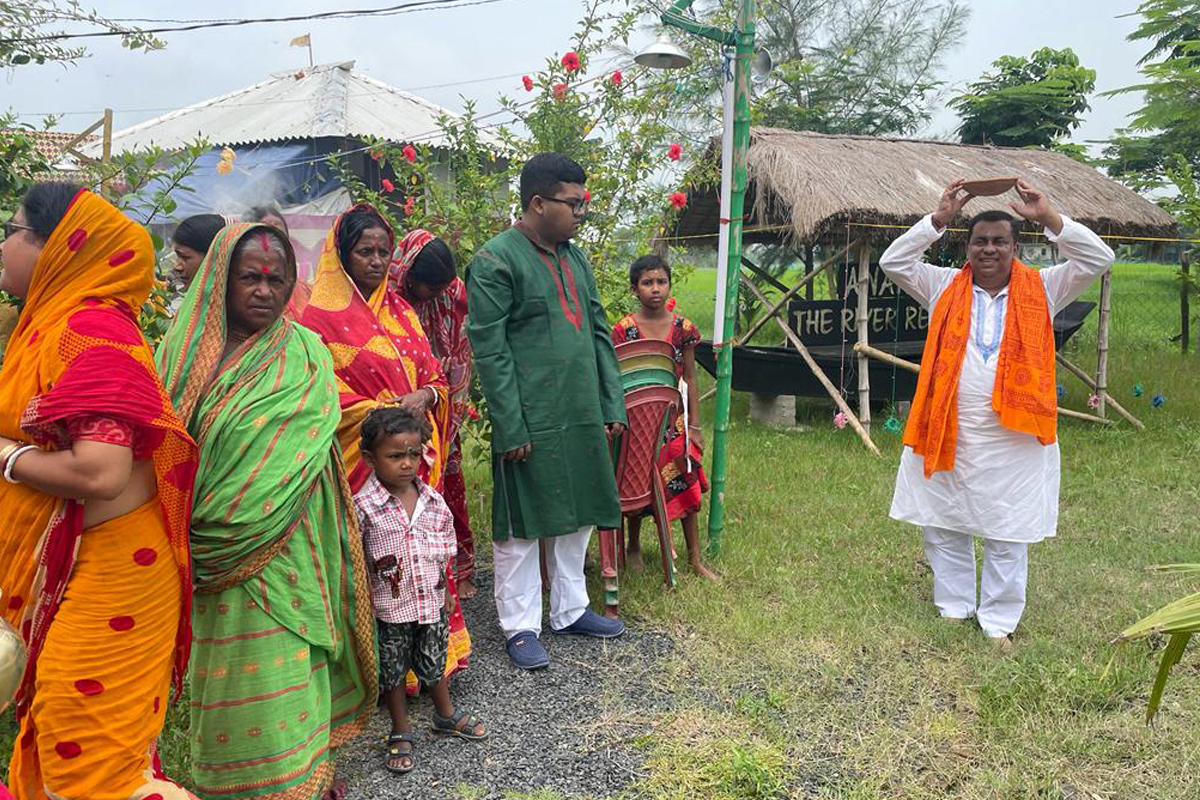
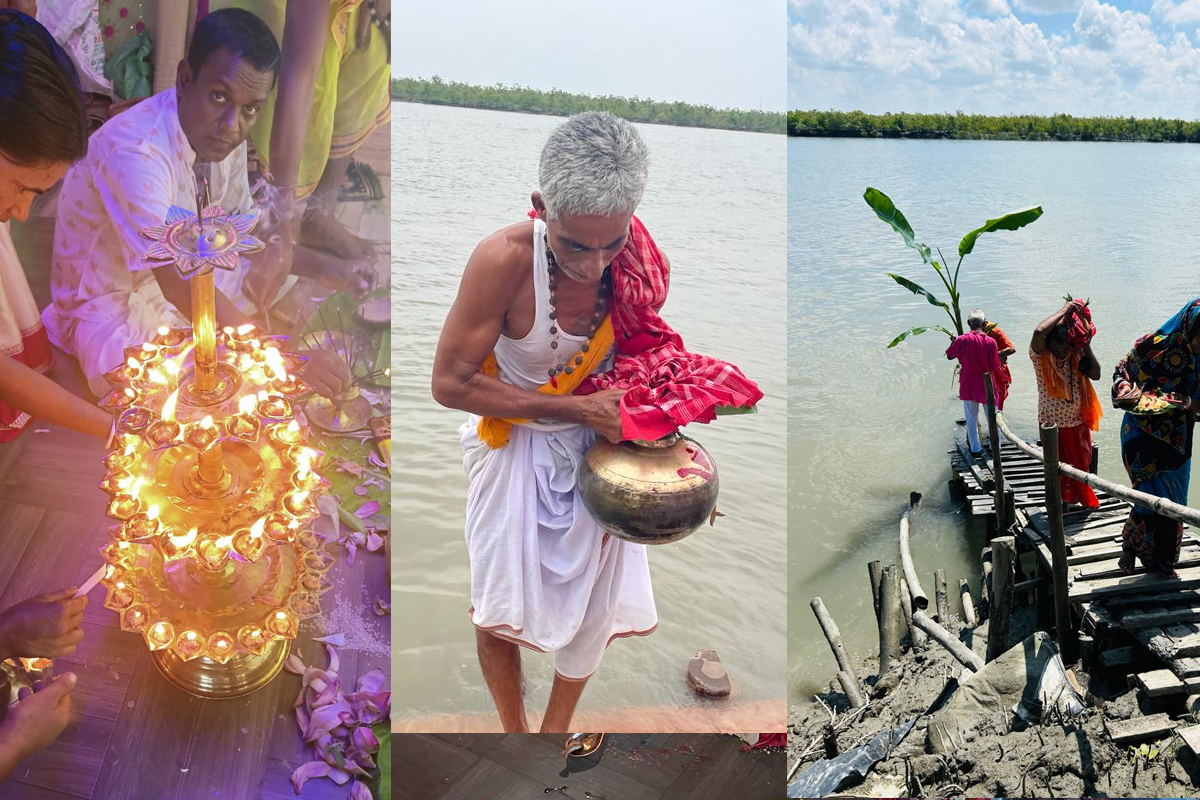
Villagers often pass down old wisdom about honey hunting, river currents, and forest survival to curious guests. Handloom weaving displays, evening singing sessions, and home-cooked meals shared with families give visitors a genuinely personal window into everyday life in the delta.
Where Should You Book Your Monsoon Stay?
For travellers ready to experience the Sundarbans at its greenest and most alive, Anahita River Retreat offers a well-organized monsoon stay built around comfort, safety, and authentic local experiences. From covered transfers to riverside dining and guided excursions, every detail is arranged so you can simply enjoy the season. Get in touch with Anahita River Retreat to plan your monsoon journey today.

Leave A Comment